Drain Repairs vs Drain Relining: Which Do You Need?
When it comes to fixing damaged drains in Uxbridge or nearby London towns like Hillingdon and Ruislip, homeowners often face a choice between two main repair methods: traditional excavation repairs and modern no-dig drain relining. Both approaches aim to restore the function of your underground drainage system but differ significantly in technique, cost, disruption, and longevity.
Understanding these options can feel overwhelming, especially if you’re dealing with the stress of a blocked or broken drain on your property. This article will explain the key differences, advantages, and drawbacks of each method, helping you decide which is the right solution for your home in London or surrounding areas such as Hayes and West Drayton.
What Are Traditional Drain Repairs?
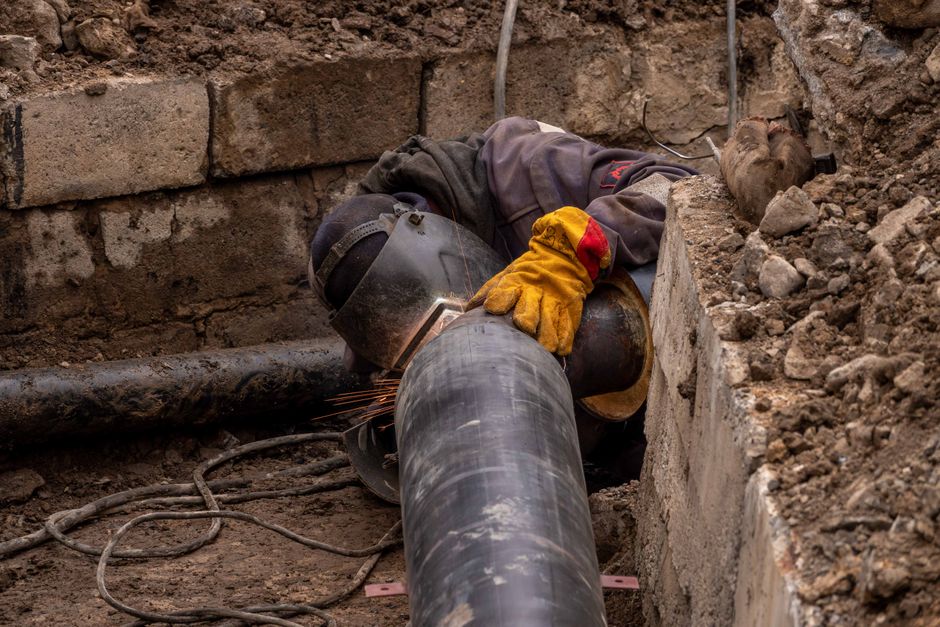
Traditional drain repair involves excavating the ground to expose the damaged pipe, removing or repairing the affected section, and then backfilling the trench. This method has been the standard approach for many decades and is often necessary when pipes have collapsed or are severely damaged beyond simple fixes.
The process can be quite disruptive, usually requiring heavy machinery to dig up gardens, driveways, or footpaths. However, it allows direct access to the pipe, meaning any blockages, cracks, or breaks can be addressed precisely and permanently. For many homeowners in Uxbridge and nearby towns like Cowley or Ickenham, this thorough intervention is reassuring, especially if the drainage system is old or extensively damaged.
Additionally, traditional repairs enable a full inspection and replacement of sections if needed, which can be beneficial for properties with aging drains where patchwork solutions might only offer temporary relief.
Understanding Drain Relining and How It Works
Drain relining is a trenchless technique that involves inserting a flexible resin-coated liner into the existing damaged pipe. This liner is inflated to fit snugly against the pipe walls and then cured to harden, forming a new, durable pipe within the old one. This method avoids the need for excavation, making it less intrusive, quicker, and often more cost-effective.
For homeowners across London and towns like Denham, Iver, and Yiewsley, this method is especially appealing as it reduces disruption to gardens, paved areas, and driveways. Relining also limits mess and the need for extensive repairs to landscaping or property surfaces after work is completed.
This technology has improved significantly over recent years, offering strong resistance to leaks and root intrusion, common issues in many older drainage systems found in the Uxbridge area and surrounding boroughs.
Pros and Cons of Traditional Drain Repairs
One of the biggest advantages of traditional drain repairs is the ability to fully replace or repair severely damaged pipes. This can make it a more durable, long-term solution for homes suffering from major cracks, collapses, or persistent blockages that other methods cannot resolve.
However, this method comes with notable downsides. Excavation disrupts gardens, driveways, and footpaths, which often requires additional restoration work once the drainage is repaired. For residents in areas like Harefield or West Drayton, this can mean a lengthy and disruptive repair process that may affect daily life and parking arrangements.
Furthermore, traditional repairs generally take longer to complete and may carry higher labour and equipment costs. The upheaval caused can also risk damage to nearby utilities or landscaping if not carefully managed.
Pros and Cons of Drain Relining
The main benefit of drain relining is its non-invasive nature. It preserves the surrounding ground, vegetation, and hard surfaces, which makes it ideal for homeowners in densely populated areas like Uxbridge or Ickenham where garden space might be limited and excavation would be especially disruptive.
Relining is often quicker to perform compared to traditional repairs and results in less mess, which can be essential for busy households or commercial properties in Hayes or Yiewsley. It also creates a seamless, jointless new pipe inside the old one, reducing the risk of future leaks or root ingress.
On the downside, relining is not suitable for all drainage issues. If the existing pipe is collapsed or fragmented beyond a certain point, inserting a liner may be impossible or ineffective. Additionally, relining reduces the diameter of the pipe slightly, which could affect drainage capacity in some cases.
How to Decide Which Repair Method Suits Your Drain
Deciding between drain repairs and relining depends on multiple factors including the extent of the damage, pipe condition, property layout, and budget. A thorough CCTV survey of your drain is essential to determine the severity of the problem and feasibility of relining.
For properties in Uxbridge, Ruislip, or Denham with minor cracks or leaks and generally intact pipes, relining can be an excellent solution that minimises disruption. Conversely, if your home’s drainage system has collapsed pipes or multiple breaks, traditional repair might be the only reliable option.
Consider also the location of the damaged drain. In areas with limited access or where excavation would cause significant disturbance to landscaping or local roads, relining can be a preferred approach. It’s worth discussing these specifics with drainage specialists familiar with London’s ground conditions and property types.
Local Drainage Considerations in Uxbridge and Surrounding Towns
London’s varied soil types and older infrastructure mean home drainage issues can differ widely from one neighbourhood to another. In Uxbridge and nearby towns such as Cowley or Ickenham, many properties have Victorian or mid-20th century drainage systems that may be prone to root ingress or gradual pipe wear.
In areas like West Drayton and Hayes, heavy clay soils can cause ground movement leading to cracks or joint displacement in drains. This makes early detection and appropriate repair methods crucial to prevent more extensive damage or flooding.
Additionally, the local council’s regulations and access restrictions must be considered. Excavation works in busy streets or conservation areas around Yiewsley or Harefield might require permits or special considerations, making drain relining a more attractive, less bureaucratic option.
What to Expect During Drain Repair or Relining Works
If you opt for traditional drain repair, expect excavation work to begin with locating and carefully exposing the damaged pipe. This work can span several days depending on the length and depth of the repair required. Once fixed or replaced, the ground is reinstated, often involving additional landscaping or surface repairs, which can prolong the overall disruption for Uxbridge homeowners.
For drain relining, the process is typically quicker. After a CCTV survey confirms suitability, technicians clean the pipe and insert the resin-coated liner. The liner cures within a few hours, and the drain is ready for use shortly after. This minimally disruptive approach usually means less noise, mess, and inconvenience for residents in London’s surrounding towns.
In both cases, it’s advisable to prepare your property by clearing access points and discussing timelines with your drainage provider to minimise inconvenience.
Maintaining Your Drains After Repairs or Relining
Whichever repair method you choose, ongoing maintenance is important for prolonging the life of your drainage system. Simple habits such as avoiding flushing fats, oils, and non-biodegradable items down sinks and toilets can prevent blockages.
For gardens and properties in Uxbridge and nearby areas prone to root intrusion, regular inspections and root cutting treatments can help maintain clear drains. Scheduling routine CCTV inspections every few years allows early detection of potential issues before they escalate.
Being proactive with drain care ensures your investment in repairs or relining continues to deliver peace of mind and helps avoid costly emergency repairs in the future.
Need a drainage expert in Uxbridge?
Call 0800 669 6492